

The Power of FPV Drones: Immersive Experiences from the Sky
FPV drone footage can carry a viewer through a space in a continuous moving shot. For a production, the useful question is how that movement supports the story: revealing a venue, connecting rooms, following a subject or establishing the scale of a location.
Start with the route and purpose
Share the opening frame, intended path, important subjects and ending frame. References help communicate pace, proximity and camera movement. A route that looks appealing on a plan still needs a location review before the shot can be confirmed.
Identify doorways, changes in lighting, obstacles, reflective surfaces and areas occupied by people. Access, staging and coordination with the rest of the production affect what can be captured.
Choose equipment around the shot
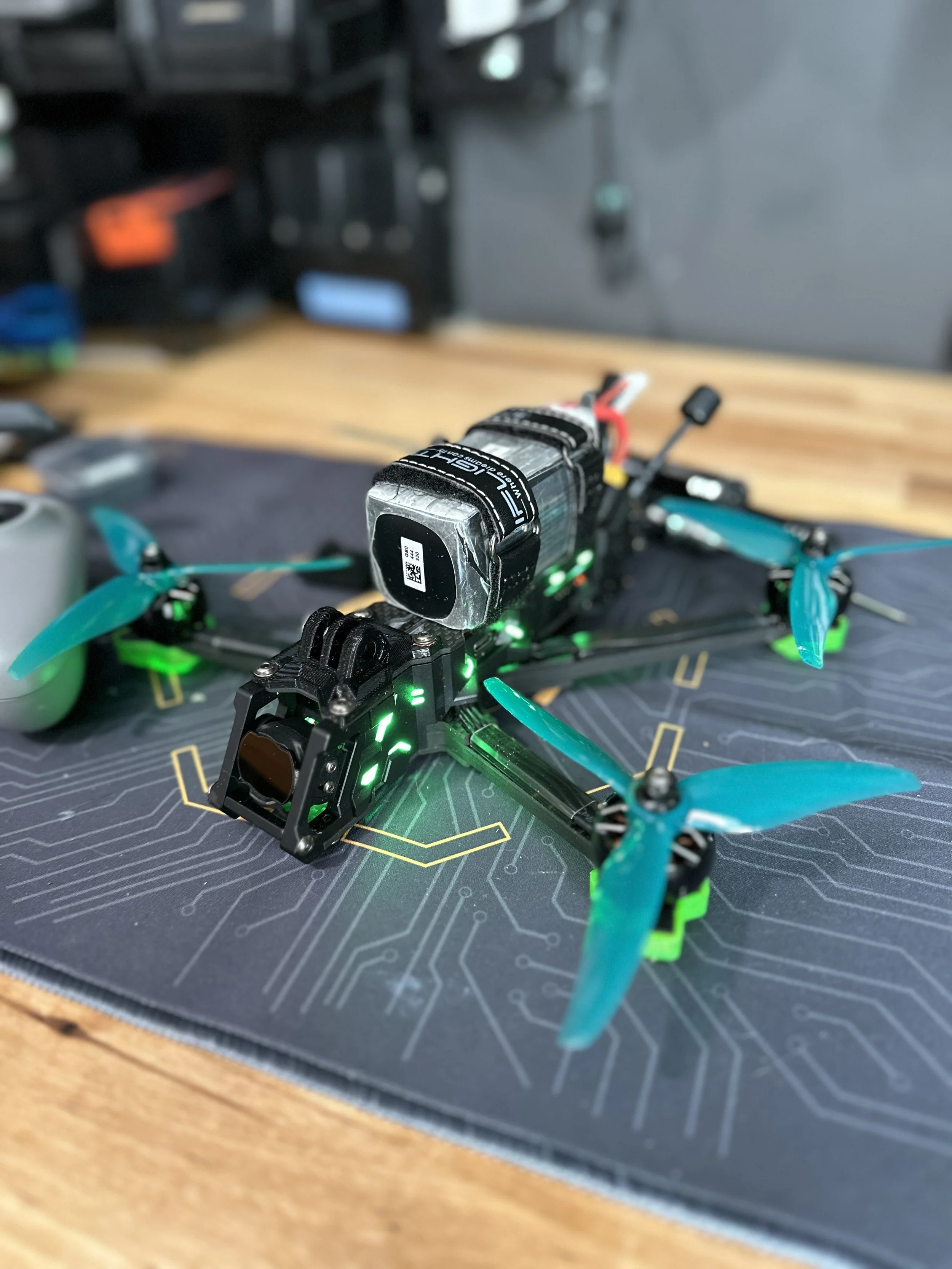
FPV refers to a first-person camera view used by the pilot; it does not specify a single aircraft or camera package. Drone size, camera requirements, route and operating conditions influence the choice. Confirm the proposed equipment and deliverables as part of the brief.
A conventional aerial camera shot and an FPV sequence can serve different purposes in the same edit. Use each where its framing and movement fit the story. Explore our film and commercial aerial production for related work.
Coordinate the location and people
Plan crew communication, access, staging and the process for rehearsing or changing a shot. People appearing in a route need appropriate production coordination. An event audience or occupied venue should not be treated as an unrestricted flight path.
Flight feasibility and any applicable authorizations depend on the aircraft, location and proposed operation. A requested move may need to be adjusted or replaced with another angle.
Build a relationship through useful work
Our Art Basel Miami Beach relationship began with a simple FPV tour. Trust grew over successive years into recurring FPV, exterior aerials, event coverage and broader production responsibilities. The story is about meeting the client’s changing needs over time.
For similar assignments, share how the footage will be used: a venue introduction, campaign edit, event recap or another defined output. That context helps shape the route and production scope.
Specify the handoff
Confirm recording format, selected footage or edited delivery, framing requirements, sound, versions, usage and timing before capture. An uninterrupted-looking sequence may still require editing or other post-production; those responsibilities should be agreed explicitly.
Send the location, dates and a reference route to discuss an FPV production with Drone Genius. For broader coverage, see our event production work.