

Safety First: Navigating Drone Regulations and Compliance
Before booking aerial footage, ask how the team will assess your location, shot list and production schedule. Pilot qualifications, aircraft requirements, airspace and site access are separate parts of the plan. A certificate or an equipment list alone does not establish permission for every requested shot.
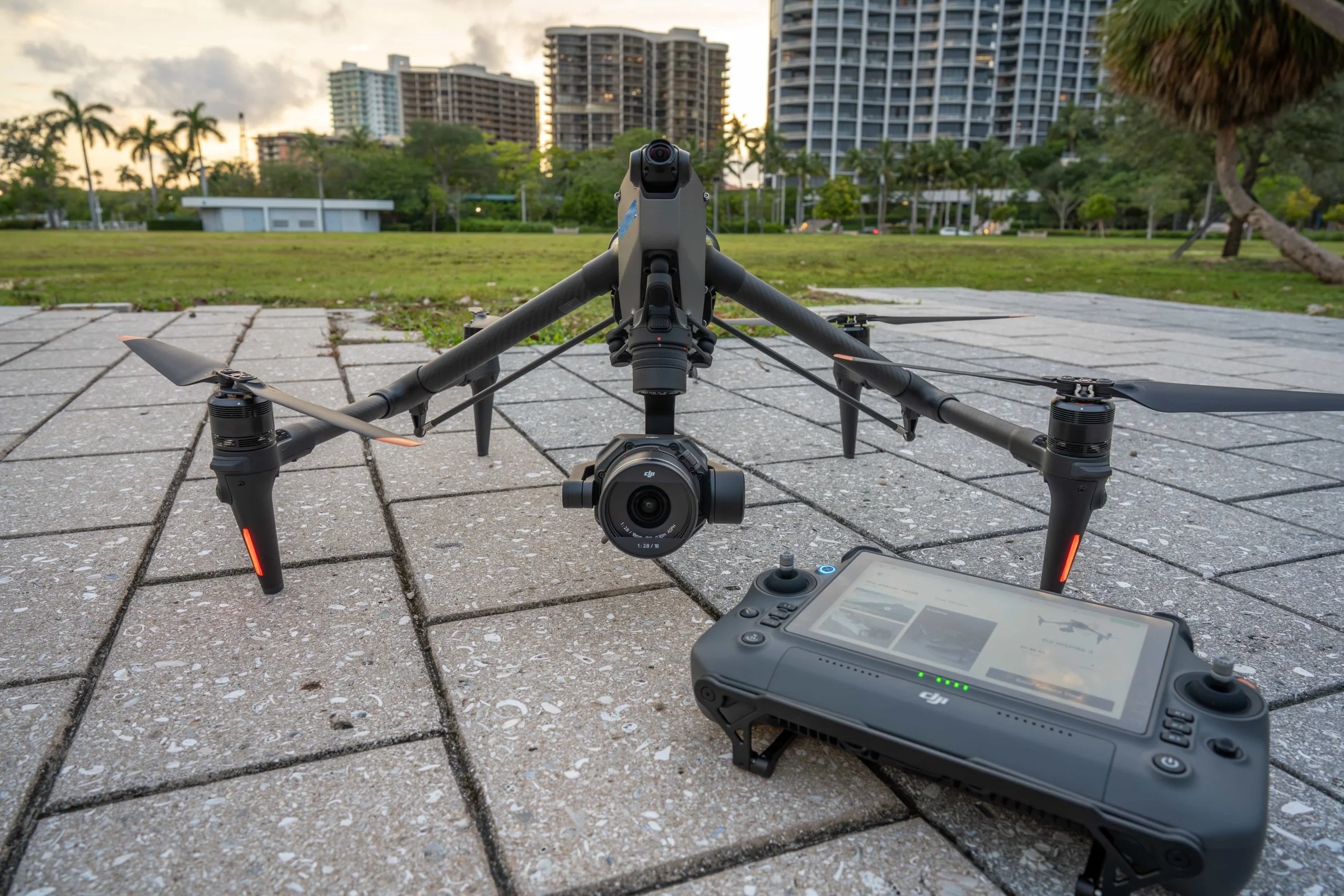
Check pilot qualifications and currency
For a proposed Part 107 operation, confirm the remote pilot’s certificate and current aeronautical knowledge requirements. The FAA describes recurrent training and knowledge recency; this is different from periodically renewing the Remote Pilot Certificate itself. See the FAA remote-pilot guidance.
Review the actual operation
Share the site address, requested dates, approximate capture areas and production contacts. Airspace, temporary restrictions, people, vehicles, obstacles and weather can affect the available shots. Any required authorization or waiver must cover the proposed operation and be in place before flight.
Venue access and airspace authorization are separate. An airspace check is not permission to use a property, and a venue’s approval does not replace applicable flight requirements. Confirm launch and recovery arrangements with the appropriate site contact.
Confirm aircraft registration and Remote ID
Ask the operator to confirm the applicable registration and Remote ID requirements for the aircraft and operation. The FAA describes several compliance pathways and specific exceptions or authorizations; avoid assuming that every aircraft uses the same setup. Refer to the FAA Remote ID overview for current details.
Plan around people and changing conditions
A flight near an event audience needs its own assessment. Propeller guards alone do not establish that an overhead crowd shot is permitted. Review the FAA operations-over-people framework and agree on alternative angles when a requested shot is not feasible.
Discuss crew communication, staging, weather alternatives and who can stop a shot. The aircraft and supporting equipment need appropriate checks for the planned operation. A production schedule should allow for changes when conditions are unsuitable.
Bring a clear brief
Useful starting details include the location, dates, visual references, site contact, intended audience and delivery requirements. Confirm crew responsibilities and any client-required documentation before scheduling. Requested footage, access, flight feasibility and final scope should all be explicit.
Explore film and commercial aerial production, event coverage and our service FAQs, or send your production brief to Drone Genius.