

The Importance of Safety When You Hire a Drone Pilot
When hiring a drone pilot, ask how the team will plan your specific shoot. Qualifications, relevant experience, site coordination and a clear decision-making process all belong in the conversation before scheduling capture.
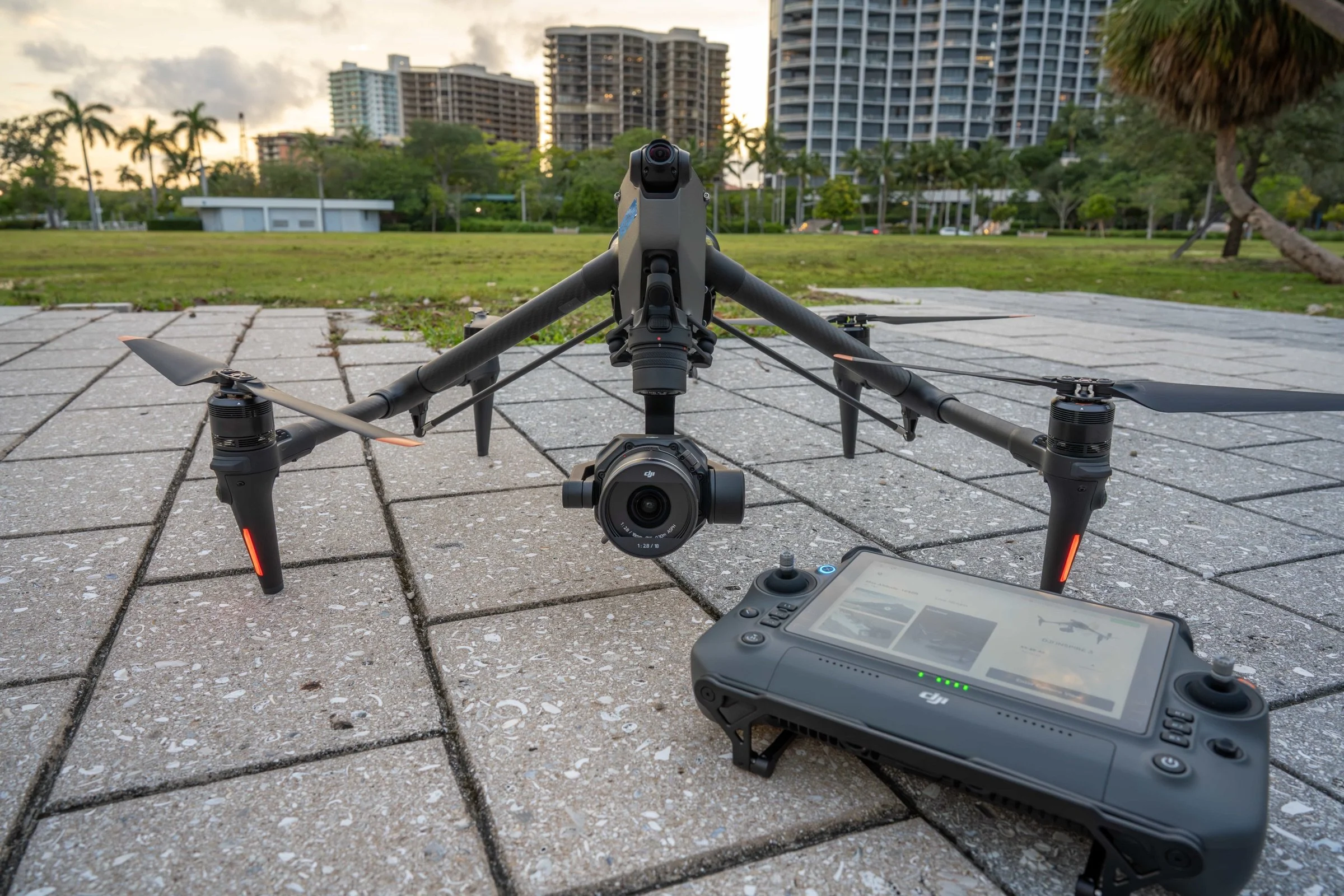
Confirm who is responsible for the flight
Ask who will act as remote pilot in command and what qualifications apply to the proposed operation. For flights under Part 107, confirm the pilot’s remote pilot certificate and current eligibility. The FAA’s commercial operator guidance provides the relevant starting point.
Discuss experience with comparable locations and camera moves. A portfolio helps you assess the creative work; the project plan should explain how the team will approach your particular site.
Review the actual location and operation
Provide the exact address, dates, shot list and information about people, vehicles and activity at the location. Ask the team to assess airspace, obstacles, launch and recovery areas, weather and communication with the production crew.
Confirm any airspace authorization or other approval needed for the proposed flight. Requirements depend on the operation. See the FAA’s Part 107 airspace authorization guidance for more information.
Agree responsibilities and contingencies
Identify the site contact, crew roles and process for reviewing camera moves. Discuss how the team will respond if conditions change or a planned shot cannot proceed. Confirm insurance documentation required by the client or location.
The schedule should allow the pilot to pause, adjust or decline a flight when needed. Agree weather contingencies and any rescheduling terms in the proposal.
Send a clear production brief
Include the location, dates, reference shots, access details and intended deliverables. Our film and commercial portfolio and construction photography page can help you describe the work you need.
Send your brief to discuss the crew, capture requirements and project-specific plan.