

8 Practical Facts About Aerial Photography
Aerial photography can explain a location, establish a scene or supply the surroundings for an architectural rendering. These eight practical facts help a client choose the right capture brief and understand what the finished images can show.
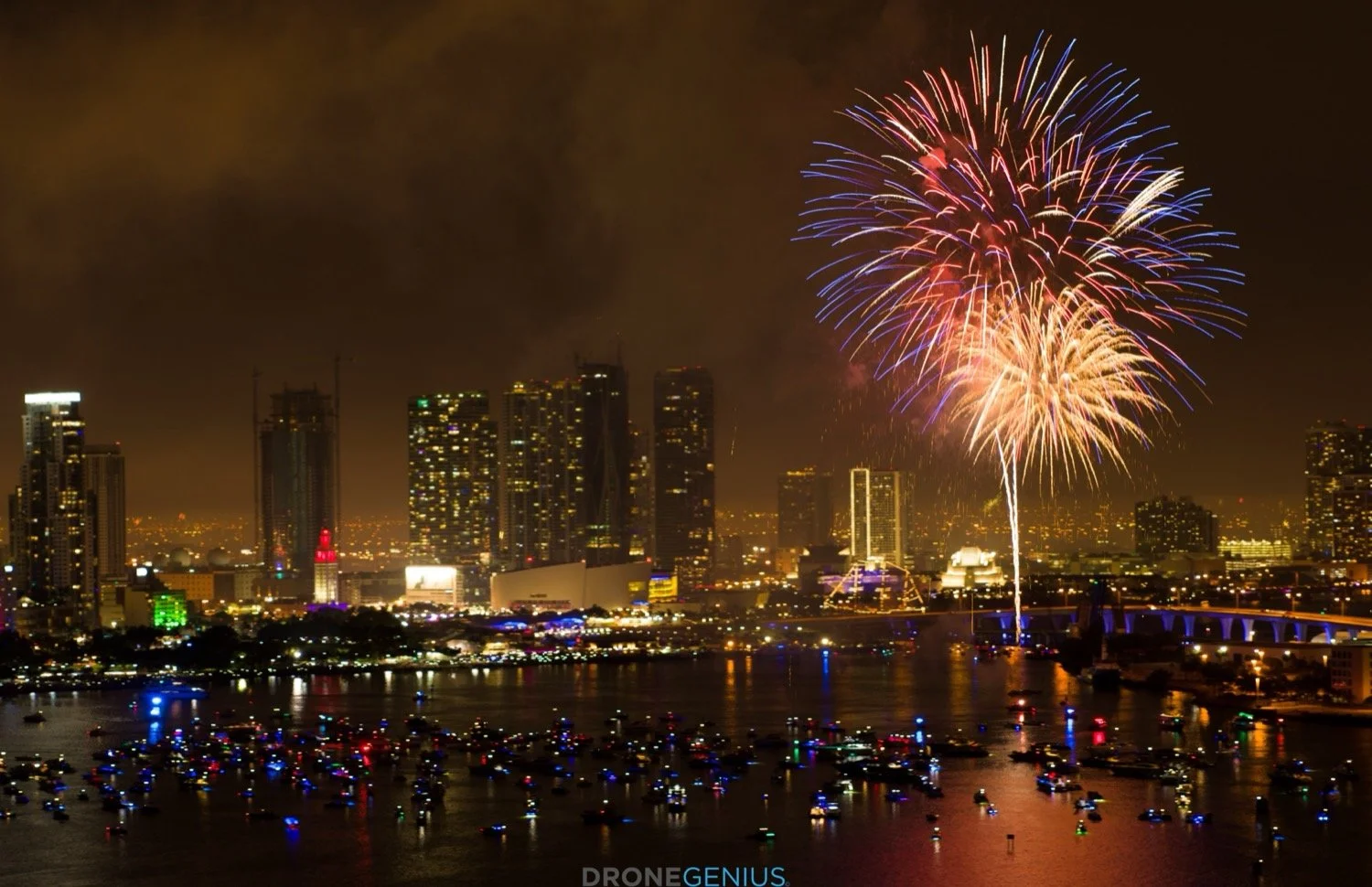
1. The viewpoint matters more than maximum height
A higher position is not automatically a stronger photograph. The useful angle depends on the subject, foreground, surrounding buildings and the story the image needs to tell. Discuss the view you need before choosing an elevation.
2. Still photographs and moving footage need different planning
A photograph resolves a moment into one composition. A moving shot also needs a start, movement and ending. A shared shoot can capture both when the schedule and brief allow for them.
3. Light changes the result
Sun direction, shadows, cloud cover and reflections affect how a property or landscape appears. Day and dusk capture are different choices, with different scheduling and operating considerations.
4. A 360 tour starts with captured viewpoints
Interactive panoramas let viewers look around photographed surroundings. They do not guarantee the exact future view from a completed unit. See our developer 360-view projects for real examples.
5. A backplate is a photographic contribution
A visualization studio may combine captured surroundings with a proposed building. Credit that studio for its rendering and Drone Genius for backplate photography. Our backplate capture guide explains the brief.
6. Photographs have limits
Ordinary aerial images can document visible conditions. They do not by themselves establish survey accuracy, structural condition, property boundaries or code compliance. Those questions require an appropriately scoped specialist assessment.
7. The site determines what is feasible
Access, nearby people, airspace, obstacles and weather affect the operating plan. A requested shot remains subject to review of the specific location and operation.
8. Delivery should match the intended use
Agree on stills, video, panoramas, crops, usage and delivery requirements before capture. Explore our aerial production work, then send the location and creative brief so we can review a suitable scope.